Live-streaming e-commerce, also known as live shopping or live selling, is a trend that has recently gained significant popularity in the world of online shopping. It refers to a form of online retail where sellers showcase and demonstrate their products through live video streaming platforms, allowing viewers to make purchases in real-time. But when did this innovative method of shopping first emerge? Let's delve into its timeline:
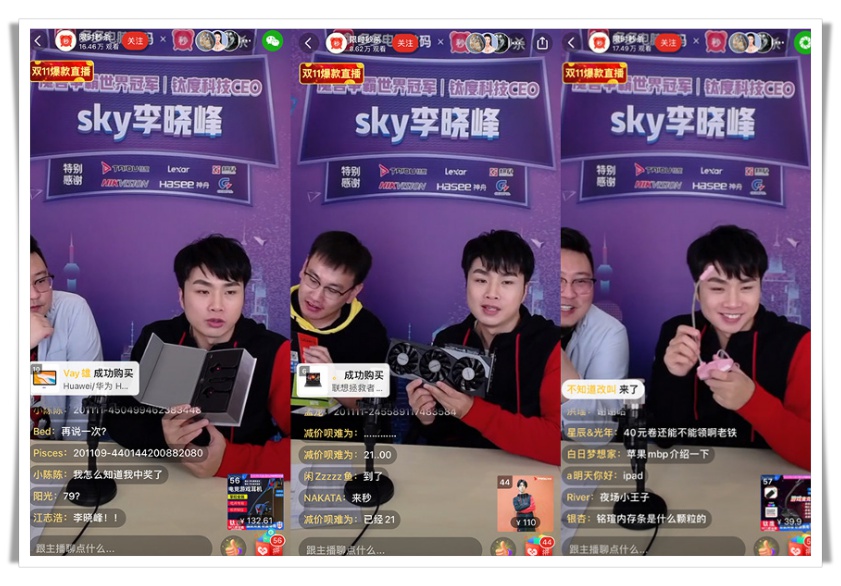
Live-streaming e-commerce originated in China and saw its inception in around 2016. It was first introduced by e-commerce giants such as Alibaba's Taobao and JD.com. These platforms recognized the potential of combining live video streaming with online shopping, creating an interactive shopping experience for consumers. Initially, the concept gained traction within the beauty and fashion industry, where influencers and celebrities would showcase and promote products through live streams.
The concept quickly gained popularity, with several other online platforms in China, such as Douyin (known as TikTok internationally), launching their own live-streaming e-commerce features. This led to a surge in the number of online sellers utilizing live streaming as a means to engage with customers and boost sales. As the trend spread across China, more diverse industries, including home appliances, electronics, and even fresh produce, began incorporating live-streaming e-commerce into their marketing strategies.
In recent years, live-streaming e-commerce has gained international recognition and adoption. Platforms like Instagram and Facebook have introduced their own versions of live shopping, allowing influencers and brands to sell products directly to their followers. In 2020, amidst the COVID-19 pandemic, live-streaming e-commerce experienced a significant boost worldwide as traditional brick-and-mortar stores faced restrictions and consumers sought alternative shopping methods.
Live-streaming e-commerce has proven to be a highly successful sales channel for many businesses. For example, during China's annual "Single's Day" shopping festival in 2019, which coincides with November 11th, top Chinese influencer Viya generated over $300 million in sales through her live stream. Similarly, in the international market, American influencer Kim Kardashian West hosted a live stream on Instagram to sell her beauty products, which resulted in millions of dollars in sales within minutes.
In conclusion, live-streaming e-commerce started around 2016 in China and has rapidly expanded both within the country and internationally. Its success can be attributed to the combination of interactive video content with real-time purchasing, creating a unique and engaging shopping experience. The convenience and immediacy of live-streaming e-commerce have garnered significant attention from businesses and consumers alike, paving the way for this emerging trend to become a mainstay in the world of online shopping.
Now let's move on to the second article:The rise of live-streaming e-commerce has revolutionized the way we shop online. This innovative approach combines the entertainment value of live video streaming with the convenience of online shopping. But when exactly did this trend reach its peak? Let's explore the timeline of its popularity:
The turning point for live-streaming e-commerce came in 2019 when Alibaba's Taobao Live, one of the major players in the Chinese market, hosted its first-ever live-streamed fashion show. This event garnered massive viewership, with millions of consumers tuning in to watch their favorite celebrities and influencers showcase the latest fashion trends. This marked a significant moment in the popularity and acceptance of live-streaming e-commerce, propelling it into the mainstream.
The outbreak of the COVID-19 pandemic in 2020 further accelerated the growth of live-streaming e-commerce worldwide. As lockdowns and social distancing measures forced people to stay home, consumers turned to online shopping more than ever before. In response to this surge in demand, businesses embraced live-streaming e-commerce as a means to connect with customers virtually and continue generating sales. The pandemic acted as a catalyst, pushing live-streaming e-commerce into the spotlight and making it an integral part of the retail landscape.
The success of live-streaming e-commerce in China caught the attention of international retailers and platforms, leading to its adoption across different regions. Instagram and Facebook introduced live shopping features, allowing brands and influencers to sell products directly to their followers. Companies in various industries started leveraging live video streaming to engage with their target audience and boost conversion rates. The appeal lies in the interactive nature of live-streaming e-commerce, offering real-time interaction between sellers and buyers, simulating the experience of physical retail through a digital platform.
Live-streaming e-commerce has shown remarkable figures in terms of sales and engagement. During China's "Double 11" shopping festival in 2020, the total GMV (Gross Merchandise Volume) generated through live-streaming e-commerce exceeded $7 billion within the first 30 minutes. This showcases the immense popularity and buying power of live-streaming e-commerce in the current market.
In conclusion, live-streaming e-commerce became widely popular in 2019, fueled by significant events and the growing acceptance of this new shopping experience. The COVID-19 pandemic further propelled its rise, as businesses and consumers sought alternative ways to connect and transact amidst restrictions. With its impressive growth and global adoption, it is evident that live-streaming e-commerce is here to stay, transforming the way we shop and interact with brands in the digital age.

 微信扫码
微信扫码
 QQ扫码
QQ扫码